Buy a helmet | Bike helmets & freestyle helmets with style
A helmet is the only effective protection against head injuries while cycling, skating, or riding a scooter. While the helmet-wearing rate among children is still at 72%, it drops to a low of just 34% among adolescents. Yet, teenagers are exposed to even greater dangers than children because they are active in traffic and travel at high speeds. In Switzerland, there is no mandatory helmet law for cyclists and skaters; wearing a helmet is a matter of personal initiative.
How do you determine the right helmet size?
To determine the appropriate helmet size, you need either a flexible measuring tape (e.g., made of fabric or plastic) or a piece of string and a folding rule, a measuring tape, or a ruler.
Place the measuring tape or string around your head at the temple level to find the exact head circumference in centimeters. If you are using string, remember the head circumference and then transfer it to a measuring tape or ruler.
Size chart for children's helmets
Helmet size XXXS = head circumference 49/50 cm
Helmet size XXS = head circumference 51/52 cm
Helmet size XS = head circumference 53/54 cm
Helmet size S = head circumference 55/56 cm
Size chart for adult helmets
Helmet size XXS = head circumference 50/51 cm
Helmet size XS = head circumference 52/53 cm
Helmet size S = head circumference 54/55 cm
Helmet size M = head circumference 56/57 cm
Helmet size L = head circumference 58/59 cm
Helmet size XL = head circumference 60/61 cm
History of the bike helmet
In bicycle races between 1960 and 1990, so-called "hairnets" or leather hairnets were worn. These were simple caps with leather strips running from front to back. They were foldable and easy to store, but likely offered only minimal protection. The first helmets for amateur sports appeared in the 70s, and after the 1995 Tour de France, during which Fabio Casartelli suffered fatal head injuries, the Union Cycliste Internationale made helmets mandatory for races.
What types of bicycle helmets are there?
Microshell helmet
The microshell helmet is the classic bike helmet and the most widely used. It has a smooth surface that improves sliding on the ground and is equipped with ventilation slots designed to ensure a comfortable climate despite physical exertion. Like all helmets, this model is fastened to the head with a plastic strap (chin strap) under the chin.
Hard-shell helmet
Hard-shell helmets consist of a hard plastic shell and padding, which increases wearing comfort. The latest hard-shell helmets are built to be very lightweight and are therefore increasingly being used by adults and children on bikes, BMX bikes, scooters, and skateboards. We currently focus mainly on this type of helmet, as it perfectly combines style and comfort and is very popular among both children and adults. Are you looking to buy a children's bike and need the right helmet to go with it? Then a hard-shell helmet is the perfect choice for you.
Soft-shell helmet
So-called soft-shell helmets were made from a shell of hard foam plastic. This construction is now outdated and rarely used, as the material does not slide on the ground and can therefore promote whiplash injuries. We advise against using soft-shell helmets due to these negative effects.
Other types of helmets
There are also special helmet models for different sports and areas of use. Mountain bike helmets are perfectly designed for the conditions of a downhill trail, while road bike helmets meet the needs of fast cycling on asphalt. For e-bike riders, there is a mandatory helmet requirement, but you can use the same helmets on e-bikes as for regular bicycles. Regardless of which product type you choose, when buying, you should always pay attention to low weight and a high level of comfort. It goes without saying that the helmet should fit your head shape so that it can reliably prevent injuries in the event of a fall. A bike helmet with an integrated LED light at the back also improves visibility in poor light conditions.
Kassensturz helmet test: Are "urban models" safe?
The Kassensturz consumer program tested current bike helmets to find out, in particular, whether the cool "urban models" meet high safety requirements. A quote from the Kassensturz helmet test: "Among the more fashionable lifestyle helmets, Melon was particularly impressive in terms of safety. The helmet, which is available in many colorful and fun designs, was able to keep up perfectly with the 'traditional' helmets not only in safety tests but also in practical use."
Mandatory helmet laws in Switzerland
There is no mandatory helmet law for cyclists in traffic in Switzerland, but in 2012, Parliament decided to promote helmet use nationwide to reduce the risk of injury. This led, among other things, to the campaign "Smart heads protect themselves."
Exception: For owners of e-bikes that travel faster than 25 km/h, wearing a bike helmet is mandatory. Under the law, these e-bike models are treated the same as a moped.
How does a bike helmet protect?
If there is a fall resulting in an impact to the head, the foam of the bike helmet acts like a crumple zone and absorbs part of the impact energy through compression or even fracture. This reduces the acceleration on the brain and the risk of skull fractures. With hard-shell helmets, the impact energy is distributed over the entire surface of the helmet, which reduces the risk of injury. Due to the larger dimensions of the hard-shell helmet, it offers improved protection against abrasions and lacerations in the head area.
How should a bike helmet be worn correctly?
Only a helmet that is worn can provide good protection. We recommend that you wear a protective helmet at all times when cycling, skateboarding, riding a scooter, and during all other action sports.
Always fasten the helmet snugly to your head with the chin strap. Only then can the helmet provide its protective effect in the event of a fall.
Choose a suitable model that matches the size and shape of your head.
The helmet's greatest enemy is vanity
The benefits of a bicycle helmet are obvious, yet many teenagers and adults do not wear bike helmets when riding bikes or scooters. The main reason for this is likely vanity, as a helmet is still considered "uncool" by many. However, the new freestyle helmets are ushering in a new era in this regard. They are designed much more attractively than old-fashioned bike helmets and come in appealing shapes and trendy colors. Thanks to their extremely low weight and clever construction with ventilation slots, they also offer a very high level of comfort. No matter what sport you do, there is sure to be a helmet type that fits your style and shows you in the best light. You are spoiled for choice between helmets in countless colors, shapes, and designs! It is to be hoped that bike helmets will catch on in the future just as ski helmets have in winter sports. These are also not mandatory, but are felt to be worn by 95% of winter sports enthusiasts on their own initiative. Anyone who doesn't wear a helmet while skiing in the mountains today is almost met with suspicious looks.
Conclusion on buying a helmet
Wearing a safe helmet for sports and leisure time is almost as natural today as wearing hiking boots in the mountains. You would think. However, the current figures from the Swiss Council for Accident Prevention (BFU) show that only just 50% of cyclists in Switzerland wear a helmet. While this proportion is significantly higher among children, every fourth child still rides a bike without a helmet. The risk of accidents is particularly high for children, and many dangerous head injuries can be easily prevented with a helmet. There are no statistical figures for the fun sports areas of skating, scootering, BMX, and inline skating in Switzerland. But there is likely still room for improvement regarding head protection here as well. Especially with children and teenagers, it is understandable that style and appearance play a big role. That is why we recommend hard-shell models, for example from Melon Helmets, which come in particularly cool designs and are also very comfortable to wear.
Buy a bike helmet at Funwheel
Funwheel is the Swiss specialist for roller sports and fun sports, and in addition to various sports equipment such as balance bikes, skateboards, and scooters, we also offer the appropriate protective gear. Bike helmets and scooter helmets minimize the risk of serious head injuries and also provide protection against UV rays and other weather influences. Thanks to ventilation slots, the ventilation is excellent, and the low weight ensures high wearing comfort. We offer a wide range of bicycle helmets from various manufacturers, which are just as suitable for skating or riding a scooter. Children, teenagers, and adults alike will find a helmet with a perfect fit. We keep all products in our Swiss warehouse and ship orders placed by 3 p.m. on the same business day via A-Post. Are you unsure which helmet model best suits your needs? Our support team is happy to assist you with personal advice, tips, and further information at info@funwheel.ch.
Free shipping
From a purchase value of CHF 199.-, your delivery is free of charge.
Fast delivery
We ship promptly via Swiss Post. Ordered by 3:00 PM – delivered the next business day.
Payment by invoice
In addition to many digital options such as credit card or Twint, you can also pay by invoice with us.



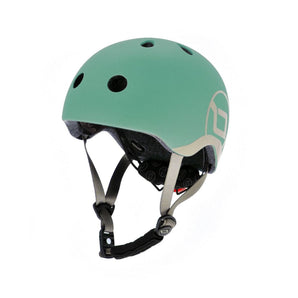 Scoot and Ride | Kids Helmet | Forest
 Globber | Children's helmet | Urban | SM | Petrol Blue
 Melon | Children's helmet | Toddler | Leo | XXS
 Scoot and Ride | Kids' Helmet | Blueberry
 Scoot and Ride | Kids' Helmet | Rose
 Scoot and Ride | Children's helmet | XXS-S | black
 Globber | Children's helmet | Elite Lights | XS-S | Black 8 ball
 Globber | Children's helmet | Elite Lights | XS-S | Deep pink flowers
 Scoot and Ride | Kids' Helmet | Steel
 Melon | Mosaic Helmet | Ember
 Scoot and Ride | Kids' Helmet | Kiwi
 Melon | Helm Mosaic | Black Window
 Melon | Kids helmet | Toddler | Green | XXS
 Scoot and Ride | Kids' Helmet | Lemon
 Melon | Helmet | E-Series | Metropolis mat
 Globber | Children's helmet | Urban | XS-S | Pastel blue
 Melon | Helmet Posh | Rio
 Melon | Helmet | Real Melon | mat
 Melon | Helmet | Flying Roses
 Melon | Helmet | Scribble
 Scoot and Ride | Children's helmet | XXS-S | zebra